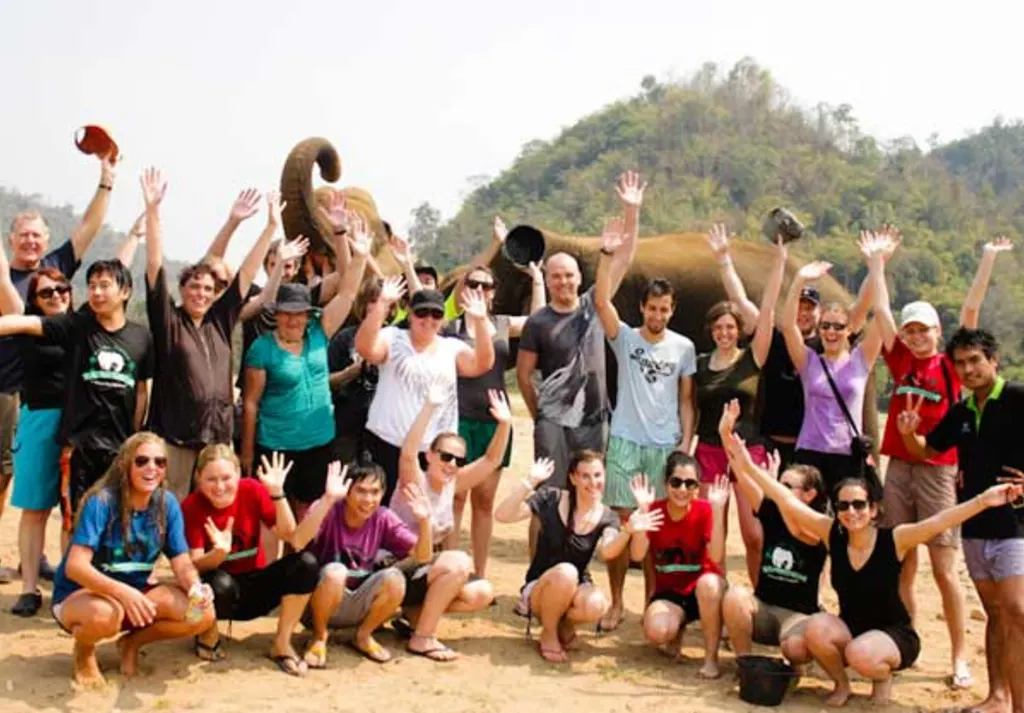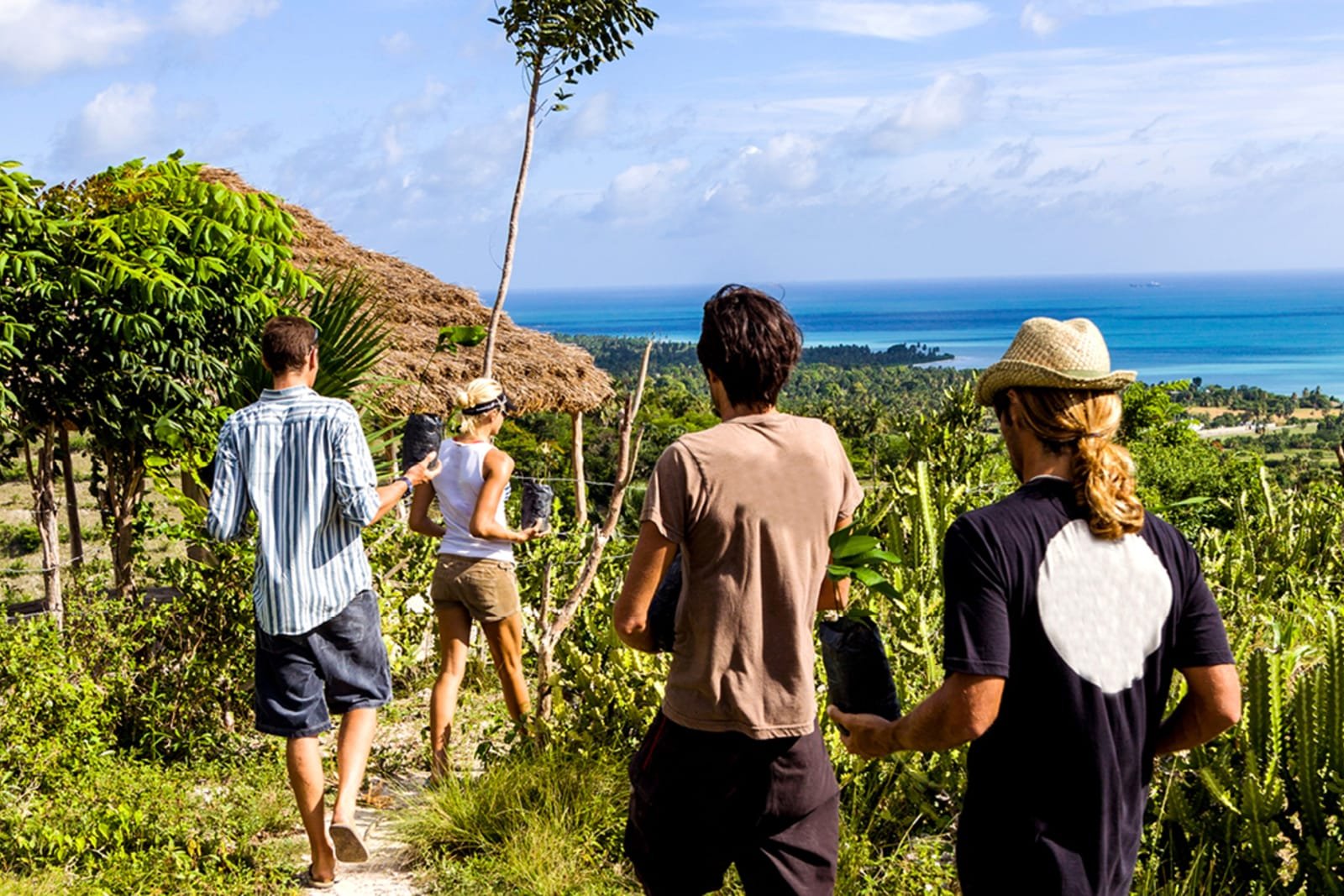
I still remember stepping off that rickety bus in rural Thailand back in 2018, paintbrush in hand, ready to “save the day” by slapping a fresh coat on a community school. The kids cheered, the sun beat down, and for a fleeting moment I felt like a hero. Fast-forward a week and the monsoon washed half the paint away. That trip taught me volunteer tourism—voluntourism—promises the world but often delivers far less. It’s not that the idea is rotten; it’s that the execution still has a long way to go. Today, the industry rakes in nearly a billion dollars annually, yet too many projects leave communities exactly where they started—or worse. Let’s unpack why this hybrid of travel and good intentions keeps growing while still struggling to deliver real, lasting change.
What Volunteer Tourism Actually Looks Like Today
Volunteer tourism blends short-term volunteering with leisure travel, usually in developing countries. You pay to fly in, spend a week or two painting, teaching English, or counting turtles, then snap photos for Instagram before jetting home. Programs range from two-week gap-year bursts to month-long conservation gigs. The appeal is obvious: meaningful travel without quitting your job. Yet the reality is messier. Many volunteers arrive unskilled, projects run on tourist dollars rather than local priorities, and the line between genuine aid and feel-good tourism blurs fast.
The Explosive Growth Nobody Saw Coming
Voluntourism has ballooned into a serious industry. Market reports peg its 2023 value at around $849 million, with projections hitting $1.27 billion by 2030 at a steady 6% annual clip. Roughly 1.6 million people sign up each year, drawn by social media, gap-year culture, and post-pandemic wanderlust for purpose-driven trips. Millennials and Gen Z especially crave experiences that look good on a résumé and a feed. Operators have responded with slick websites promising life-changing weeks in exotic locales. The money flows, but does the impact? Not always.
Why So Many of Us Still Say Yes
The upside feels electric when it works. You return home with new friends, basic language skills, and a story that beats any beach vacation. Communities get extra hands for urgent tasks—building a classroom, planting mangroves, or running after-school clubs. Volunteers often fund projects that local budgets can’t touch. One friend of mine spent two weeks in Cambodia teaching English; the kids still send her drawings years later. That personal connection? It’s real. And for many, it sparks lifelong advocacy or career shifts toward development work.
The Ugly Truths Hiding Behind the Smiles
Here’s where the shine wears off. Short-term volunteers rarely solve deep-rooted problems. A fresh coat of paint doesn’t fix leaky roofs or underpaid teachers. Worse, unskilled hands can slow projects, waste materials, or create dependency. I’ve heard stories of orphanages keeping kids in poor conditions just to attract paying volunteers—straight-up exploitation dressed as compassion. Local workers lose jobs when free foreign labor floods in. And let’s not forget the carbon footprint of flying halfway around the world for a selfie with a sea turtle. The “white savior” vibe? It’s real, and it stings.
Orphanage Tourism: The Sector’s Biggest Scandal
Nothing exposes voluntourism’s flaws like orphanage volunteering. Well-meaning travelers pay to cuddle babies or teach songs, but studies show repeated short attachments harm children’s emotional development. UNICEF has warned against it for years. Some facilities even recruit kids from families just to meet demand. A 2023 investigation in Cambodia and Nepal revealed chains of exploitation fueled by tourist dollars. If your program lists “orphanage work” as a highlight, run the other way—ethical operators have phased it out entirely.
Conservation Projects: Green Wins or Greenwashing?
Wildlife and environmental programs sound bulletproof, right? Not quite. Volunteers counting turtles or clearing plastic often provide useful data, but many outfits prioritize volunteer photos over science. I once joined a reef-restoration trip in Indonesia where we planted coral fragments that died within months because no one followed up. Sustainable operators partner with local scientists and cap volunteer numbers. The good ones deliver real habitat gains; the rest deliver Instagram stories.
Community Development: When Help Actually Helps
Education and health projects can shine when locals lead. Teaching computer skills in a Peruvian village or assisting at a mobile clinic in Kenya feels transformative—until the volunteer leaves and the momentum fades. The best programs train local teachers or nurses instead of replacing them. One standout I researched trains community health workers who stay long after the foreigners fly home. That’s the difference between a holiday project and genuine capacity building.
Pros and Cons of Volunteer Tourism at a Glance
| Aspect | Pros | Cons |
|---|---|---|
| Personal Growth | Cultural immersion, new skills, empathy | Reinforces stereotypes, savior complex |
| Community Impact | Immediate labor and funding | Short-term fixes, job displacement |
| Cost to Volunteer | All-inclusive packages, memorable trips | High fees rarely reach communities |
| Environmental Effect | Conservation data collection | Massive flight emissions |
| Long-term Legacy | Sparks future advocacy | Creates dependency on outsiders |
Real Voices: What Volunteers and Locals Actually Say
Sarah, a teacher from Manchester, volunteered in Ghana for three weeks. “I taught math and left thinking I’d changed lives,” she told me. “Two years later the school still struggles with textbooks I helped buy—because no one trained the staff on maintenance.” On the flip side, local coordinator Kwame in the same village said the funds bought desks and paid a teacher’s salary for six months. Mixed results, same trip. Humor helps here: Sarah laughed that her “expert” painting skills produced walls that peeled faster than her tan faded. Light moments like that keep the conversation human.
Choosing an Ethical Program: Your Step-by-Step Checklist
Don’t let good intentions blind you. Ask these questions before booking:
- Does the organization publish annual impact reports with local feedback?
- Are projects designed and led by community members, not headquarters staff?
- Will volunteers replace paid local jobs?
- What percentage of fees goes directly to the project?
- Is there a child-protection policy and background checks?
Reputable players like IVHQ, Global Vision International, and Projects Abroad score high on transparency. Avoid any outfit promising “save the orphans” or unlimited animal cuddling.
Comparing Voluntourism to Traditional Volunteering
Traditional volunteering—think Peace Corps or long-term NGO placements—demands months or years of commitment. Voluntourism offers a low-barrier entry point for busy professionals and families. The trade-off? Depth versus breadth. Long-term volunteers build language fluency and trust; short-term ones bring fresh energy and cash. Neither is perfect, but pairing a voluntourism taster with ongoing donations or remote mentoring bridges the gap nicely.
The Environmental and Economic Ripple Effects
Flying to volunteer adds serious CO₂—sometimes more than the project offsets. Smart operators encourage carbon-neutral flights or local extensions to spread tourism dollars. Economically, voluntourism injects cash into homestays and markets, yet it can inflate prices and sideline locals from better-paying tourist jobs. The sweet spot: programs that train communities to run their own eco-lodges or guiding services once volunteers leave.
What the Future Holds—And How We Get There
The industry knows it’s under scrutiny. Forward-thinking operators now require skills-matching, longer minimum stays, and genuine co-creation with locals. Post-2025 trends show more virtual pre-training, alumni networks for sustained support, and hybrid models blending in-person bursts with remote follow-up. Governments in host countries are tightening rules on volunteer visas to protect local labor markets. Progress is happening, but slowly.
People Also Ask: Quick Answers to Common Questions
Is voluntourism ethical?
It can be—if the program is community-led, transparent, and sustainable. Many are not.
Does voluntourism actually help local communities?
Sometimes yes, often no. Short-term efforts rarely fix systemic issues without local ownership.
What are the biggest risks of voluntourism?
Exploitation of children, job displacement, cultural insensitivity, and wasted resources top the list.
How much does a volunteer tourism trip cost?
Expect $1,500–$4,000 for two weeks, covering accommodation, meals, and project fees—flights extra.
Are there good alternatives to traditional voluntourism?
Yes: skill-based remote volunteering, donations to vetted NGOs, or eco-tourism that directly employs locals.
FAQ: Your Burning Volunteer Tourism Questions Answered
1. Can I volunteer abroad without paying huge fees?
Absolutely. WWOOF (organic farms) offers room and board in exchange for work in dozens of countries. Some NGOs cover costs for skilled professionals.
2. What’s the minimum age for most programs?
Usually 18, though family-friendly options start at 14 with parental consent. Gap-year programs love 17–25s.
3. How do I measure real impact before I go?
Demand third-party evaluations or recent local testimonials. Red flags include vague “change lives” marketing.
4. Should I volunteer in wildlife projects?
Only if the focus is research or habitat restoration—no hands-on animal interaction that disrupts natural behavior.
5. Is voluntourism dying or just evolving?
Evolving. Responsible operators are thriving while shady ones face backlash and regulation.
Volunteer tourism still has miles to go before it lives up to its noble billing. The heart is there—millions of us want to travel and give back simultaneously. But good intentions alone aren’t enough. We need programs built on humility, long-term partnerships, and honest metrics. Next time you’re scrolling those glossy voluntourism ads, remember my peeling paint job in Thailand. Ask harder questions, demand better answers, and choose operators that put communities first. When we do, voluntourism stops being a vacation with a side of charity and becomes the genuine force for good it was always meant to be. Your next trip could still change lives—just make sure it’s not only yours.