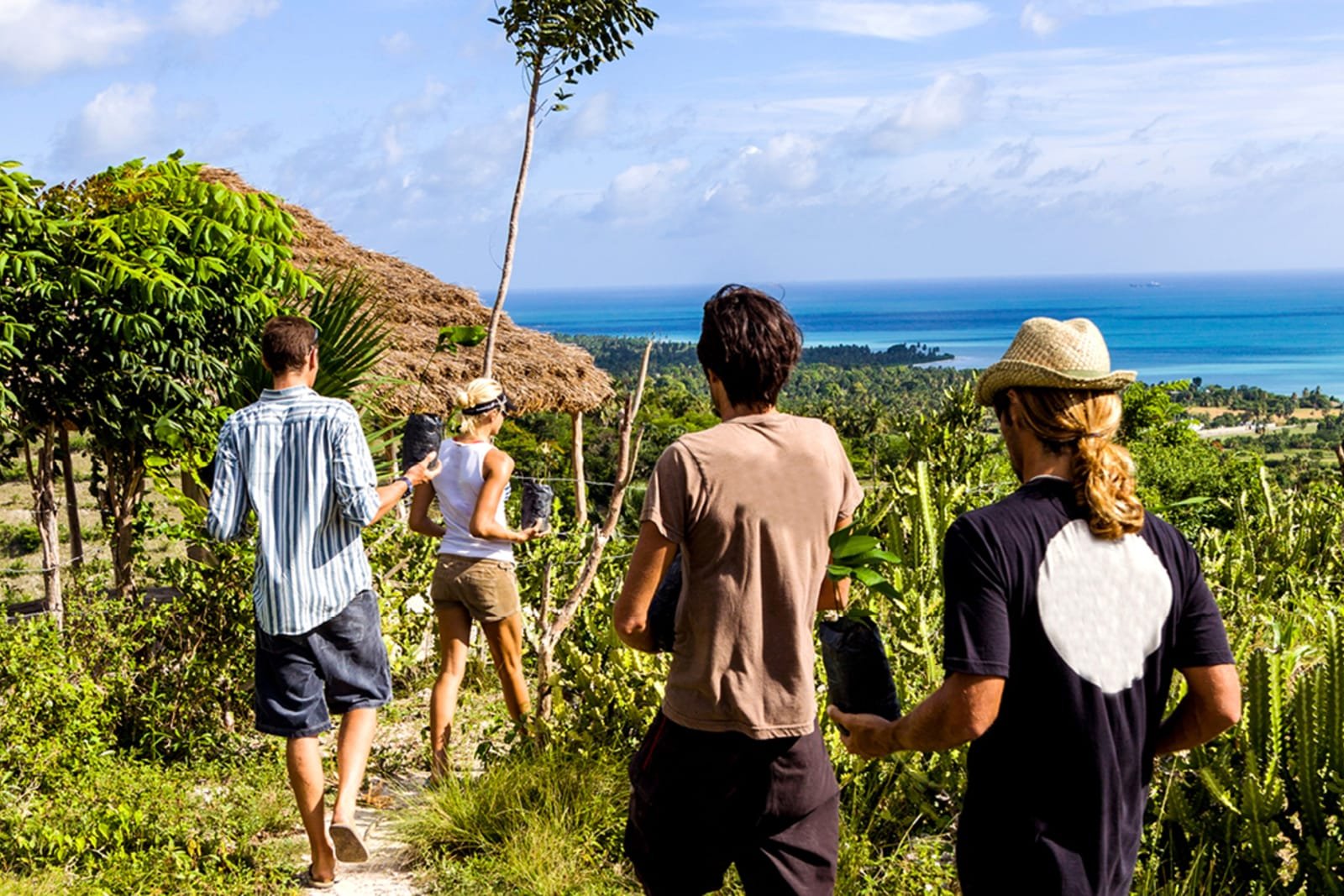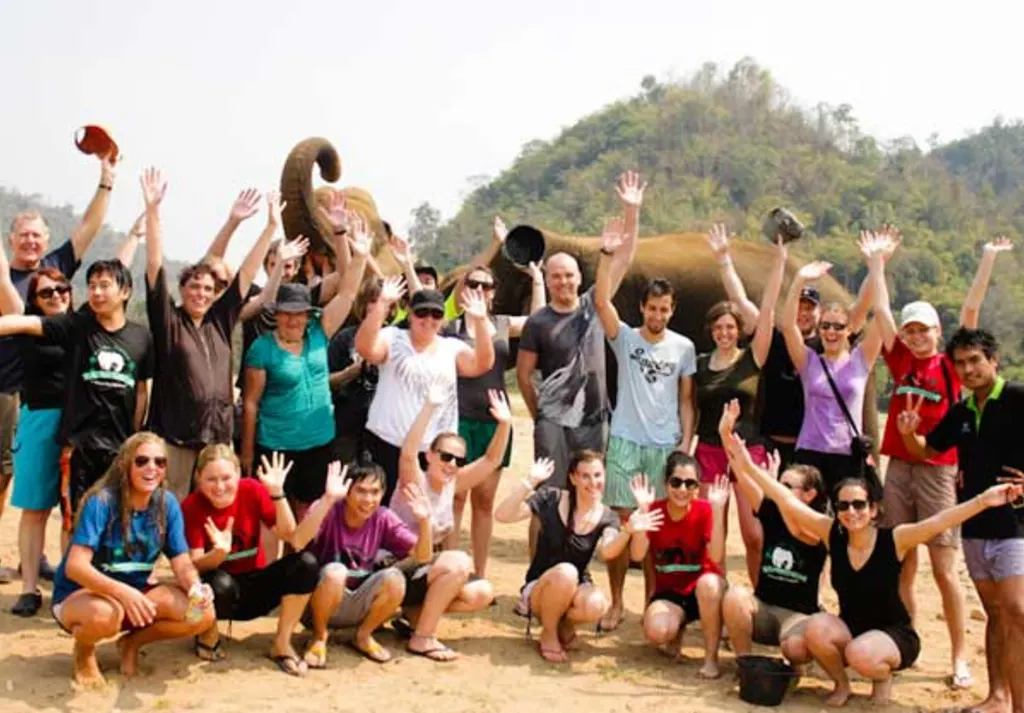
Picture yourself waking up to the distant roar of lions in Tanzania, then spending your morning teaching English to eager kids in a village school. Or imagine snorkeling in Costa Rica’s turquoise waters by day and patrolling beaches at night to protect nesting sea turtles. Volunteer tourism—often called voluntourism—lets you turn those daydreams into reality while making a genuine difference. In 2026, this growing travel trend blends adventure, cultural immersion, and hands-on impact like never before. Whether you have two weeks or two months, opportunities span every continent and skill level. Ready to trade souvenirs for stories that matter? Let’s dive in.
What Exactly Is Volunteer Tourism?
Volunteer tourism combines travel with unpaid work that supports local communities, wildlife, or the environment. Unlike traditional vacations focused solely on relaxation, voluntourism gives you a front-row seat to real-life challenges while contributing skills, labor, or funds. Programs range from short one-week trips to multi-month stays, and most include accommodation, meals, and on-site support. It’s not just about “giving back”—it’s about learning, connecting, and growing in ways no resort ever could.
Why Volunteer Tourism Is Exploding in Popularity Right Now
Travelers in 2026 crave more than postcards and poolside cocktails. Post-pandemic wanderlust has shifted toward meaningful experiences, and social media is packed with stories of volunteers who returned changed. Organizations report record sign-ups because people want to offset their carbon footprint or simply feel useful. Plus, flexible remote work means more professionals can slot in a two-week program without quitting their jobs. The result? A boom in ethical, sustainable options that actually deliver long-term value.
The Personal Side: How One Trip Can Change Everything
I’ve spoken with dozens of returned volunteers, and their stories always start the same way: “I went to help, but I ended up learning more about myself.” Take Sarah, a 16-year-old from the U.S. who volunteered in Arusha, Tanzania. She taught English in local schools and came home fluent in Swahili greetings and with lifelong friendships. Or consider Mike, who patrolled turtle beaches in Costa Rica and still tears up describing the moment a hatchling he protected reached the ocean. These aren’t just trips—they’re turning points.
Volunteer Opportunities Across Africa: Wildlife, Communities, and Heart
Africa draws volunteers who want raw adventure paired with real impact. From elephant monitoring in Kenya to orphanage support in Ghana, the continent offers projects that feel both urgent and unforgettable. Local communities welcome you with open arms, and the landscapes—think savannas, mountains, and beaches—make every weekend an expedition. Just remember: short-term help works best when it supports long-running local efforts.
Tanzania: Where Safari Dreams Meet Village Reality
In Tanzania you can track lions near Arusha one day and teach kindergarten the next. Programs often combine childcare with weekend safaris to Serengeti or Zanzibar beach time. Volunteers live with host families, eat fresh ugali, and leave knowing they helped improve education access. It’s affordable, safe, and life-affirming—perfect for first-timers or families.
South Africa: Big Cats, Big Hearts, and Bigger Lessons
South Africa blends urban projects in Cape Town with wildlife conservation near Kruger. You might vaccinate stray dogs or help at a primate sanctuary, then unwind with a Big Five game drive. The mix of modern cities and wild reserves keeps things exciting, while strong local NGOs ensure your efforts support sustainable change rather than quick fixes.
Asia’s Volunteer Scene: From Himalayan Trails to Thai Beaches
Asia delivers affordable, culturally rich programs that fit every budget and interest. Nepal’s stray-animal rescues pair perfectly with Everest treks, while Thailand’s elephant sanctuaries teach ethical wildlife tourism. Communities here value your energy and fresh ideas, and the food alone is worth the plane ticket.
Nepal: Trekking and Helping Stray Animals
After conquering Annapurna trails, volunteers in Kathmandu spay, neuter, and care for street dogs facing rabies and starvation. The work is hands-on and emotional, but the gratitude from locals and the Himalayan backdrop make it addictive. Many say the real trek was inward.
Thailand: Elephants, Coral Reefs, and Teaching English
Thailand offers diving for coral restoration or caring for rescued elephants in ethical sanctuaries—no riding, just enrichment and education. Teaching programs in rural schools let you bond with kids over games and songs. Flexible dates and low daily costs make it a favorite for gap-year travelers.
Latin America and the Caribbean: Rainforests, Turtles, and Community Spirit
Latin America shines for biodiversity projects and warm hospitality. Costa Rica’s sea-turtle patrols combine surfing with conservation, while Peru’s Amazon lets you track species and support Indigenous groups. The region’s mix of adventure and impact feels tailor-made for nature lovers.
Costa Rica: Surf, Turtles, and Pure Jungle Vibes
Volunteer by day protecting olive ridley turtles during mass nesting events (arribadas), then surf world-class breaks in the afternoon. Programs include homestays and Spanish lessons, so you leave speaking the language and carrying memories of baby turtles racing to the sea.
Peru and the Galapagos: Amazon and Island Conservation
In the Peruvian Amazon you monitor biodiversity or rehab animals. On the Galapagos you sail between islands, helping with giant tortoise and marine projects. Both spots emphasize science-based conservation and leave you stunned by nature’s ingenuity.
Types of Volunteer Projects You’ll Actually Enjoy
Projects cater to every personality. Animal lovers choose wildlife rehab; teachers pick English classes; builders roll up sleeves for schools and homes. Most require no prior experience—just enthusiasm and adaptability. The key is matching your skills to genuine local needs.
- Wildlife and Marine Conservation: Turtle patrols, elephant care, coral reef surveys.
- Education and Childcare: Teaching English, after-school programs, kindergarten support.
- Community Development: Construction, women’s empowerment, microfinance.
- Healthcare and Social Work: Assisting clinics, elderly care, disability support.
- Environmental and Farming: Sustainable agriculture, reforestation, eco-projects.
How Much Does Volunteer Tourism Really Cost in 2026?
Costs vary widely but stay surprisingly accessible. Most reputable programs start at $20–$30 per day, covering accommodation, meals, airport pickup, and 24/7 support. A two-week trip might run $400–$1,500 depending on destination and inclusions. Airfare and visas are extra, but work-exchange platforms can slash expenses even further.
| Destination | Popular Project | Starting Cost (2 weeks) | What’s Included | Best For |
|---|---|---|---|---|
| Tanzania | Childcare & teaching | $550–$850 | Meals, homestay, support | Families, first-timers |
| Costa Rica | Sea turtle conservation | $600–$1,000 | Meals, training, beach access | Nature & adventure lovers |
| Thailand | Elephant sanctuary | $450–$750 | Meals, training, ethical focus | Animal enthusiasts |
| Nepal | Stray animal rescue | $400–$650 | Meals, trekking combo options | Budget trekkers |
| Galapagos | Marine & tortoise work | $1,200–$2,000 | Boat, meals, expert guides | Serious conservationists |
Pros and Cons of Voluntourism: The Honest Truth
Voluntourism isn’t perfect, but when done right it creates win-win situations. Here’s the balanced view so you can decide for yourself.
Pros
- Deep cultural immersion and lifelong friendships.
- Tangible impact on communities and ecosystems.
- Personal growth, new skills, and boosted resume.
- Affordable way to see the world with purpose.
Cons
- Short stays can create dependency if not paired with local training.
- Some programs prioritize photos over real results.
- High fees sometimes go more to operators than projects.
- Cultural misunderstandings if volunteers aren’t prepared.
The sweet spot? Choose programs that emphasize skill transfer and long-term partnerships.
How to Pick Ethical and Responsible Programs
Smart volunteers ask tough questions before booking. Look for nonprofits or platforms that partner directly with local NGOs, share transparent impact reports, and avoid “orphanage tourism” pitfalls. Check reviews on independent sites, confirm your work won’t displace paid local jobs, and ensure the organization focuses on sustainability over quick volunteer turnover.
- Ask: Does the project address a documented local need?
- Verify: Are volunteers trained and supervised by locals?
- Research: Read recent volunteer testimonials and financial breakdowns.
- Avoid: Programs promising “instant impact” or heavy selfie marketing.
Real Volunteer Stories That Still Give Me Chills
One teen returned from Tanzania raving about kids who taught her more about joy than any classroom ever could. In Costa Rica, a volunteer witnessed thousands of turtles nesting during an arribada and called it the most humbling night of her life. After Nepal’s earthquake, teams rebuilt homes and schools, restoring hope one brick at a time. These aren’t marketing lines—they’re the reason people keep going back.
People Also Ask About Volunteer Tourism
What is the difference between volunteer tourism and regular tourism?
Volunteer tourism adds purposeful work to your travels, while regular tourism focuses mainly on leisure and sightseeing.
Is volunteer tourism ethical?
It can be—if you choose responsible operators that prioritize local leadership and long-term solutions over short-term volunteer numbers.
How much does it cost to volunteer abroad?
Expect $20–$40 per day including most living costs. Two weeks usually lands between $400 and $1,500 before flights.
Can you volunteer abroad for free?
Yes, through work-exchange sites like Worldpackers or HelpStay where you swap a few hours of help for room and board.
Where are the best places to volunteer in 2026?
Top spots include Tanzania, Costa Rica, Thailand, Nepal, Peru, and South Africa for variety, impact, and value.
Step-by-Step Guide to Booking Your First Program
Start by listing your interests, available dates, and budget. Research platforms like IVHQ, Projects Abroad, or Volunteer World for verified options. Apply early for popular spots, get necessary vaccinations, and pack light with a flexible mindset. Most organizations handle visas and logistics so you can focus on the experience.
FAQ: Your Burning Questions Answered
How long do most programs last?
From one week to six months—flexible dates let you fit volunteering into any schedule.
Do I need experience or special skills?
No. Most entry-level projects train you on-site; passion and reliability matter more.
What about safety and health?
Reputable providers offer 24/7 support, insurance advice, and orientation. Research your destination’s travel advisories.
Will my work actually help?
Choose programs with measurable outcomes and local oversight. Real impact comes from supporting existing community efforts.
Can families or retirees join?
Absolutely. Many organizations welcome all ages with tailored projects and family-friendly accommodations.
Volunteer tourism in 2026 offers more accessible, ethical, and transformative opportunities than ever. Whether you’re chasing lions in Africa, saving turtles in Costa Rica, or teaching in Nepal, the world is waiting for your contribution. Pick a cause that lights you up, do your homework, and book that ticket. You’ll come home with stories, friends, and a heart that’s a little bigger than when you left. The question isn’t whether you can afford to go—it’s whether you can afford not to. Start planning today; your next adventure is calling.