I still remember my first solo backpacking trip like it was yesterday. It was a crisp fall weekend in the Blue Ridge Mountains, and I was a bundle of nerves mixed with pure excitement. As a woman stepping into the backcountry alone for the first time, I questioned everything—from whether my pack was too heavy to how I’d handle nature’s call without a bathroom in sight. Eight years and thousands of miles later, I’ve learned that backpacking isn’t just about the views; it’s about discovering a version of yourself that’s stronger, more resilient, and deeply connected to the wild. These tips come straight from my own stumbles and triumphs, plus insights from fellow women who’ve shared the trail with me. Whether you’re a beginner or a seasoned hiker looking to refine your approach, this guide will help you pack smarter, stay safer, and truly thrive out there.
Why Women Excel at Backpacking
Women bring unique strengths to the trail that often get overlooked. We’re built for endurance, with better fat storage for long hauls and hips that handle pack weight like pros. Many of us also tune into our bodies more intuitively, knowing when to rest or push on. Plus, we tend to build supportive communities on the trail—swapping snacks, stories, or encouragement that turns a tough day into a memorable one. I’ve seen it firsthand during a group trip in the Sierras, where our all-women crew turned rainy evenings into laughter-filled tent talks. These advantages make us not just capable backpackers, but some of the best ones out there.
Getting Started: Mental and Physical Prep That Actually Works
Jumping into backpacking without preparation is like showing up to a marathon without training—it’s possible, but way harder than it needs to be. Start by building confidence through short day hikes with a loaded pack, then ease into overnighters. Mentally, visualize challenges like weather shifts or solo nights to reframe fear as excitement. I used to lie awake before trips imagining worst-case scenarios until I started journaling three things I was grateful for about the adventure ahead. That simple shift turned anxiety into anticipation every time.
Building Fitness Specifically for Women Backpackers
Focus on functional strength that mirrors trail demands: squats and lunges for those hip-powered ascents, plus core work to stabilize your pack. Cardio like incline walks or trail runs prepares your heart and lungs without burning you out. Aim for three to four sessions a week, gradually adding weight to mimic your full pack. After my first multi-day trip left my legs screaming, I incorporated yoga for flexibility and recovery—it made all the difference on steeper sections. Women often run a bit colder and recover differently, so listen to your body and prioritize rest days.
Choosing Your First Backpacking Destination
Pick beginner-friendly spots with clear trails, moderate elevation, and reliable water sources—like state parks or national forest loops under 10 miles round-trip. Check recent trip reports for conditions and avoid remote areas until you’re comfortable. My first overnight was a well-marked loop in Shenandoah, where I felt safe enough to focus on enjoying the sunset instead of second-guessing every rustle. Apps like AllTrails help filter by difficulty and popularity, but always cross-check with official park sites for permits and closures.
Essential Gear for Women Backpackers
Gear that fits your body makes the difference between misery and magic on the trail. Women-specific designs account for shorter torsos, narrower shoulders, and curvier hips, distributing weight more comfortably. I wasted money on unisex packs early on before switching to ones tailored for women—they felt like an extension of my body rather than a burden. Prioritize the Ten Essentials, but tweak for female physiology: warmer sleep systems, quick-dry layers, and hygiene tools that respect Leave No Trace principles.
Choosing the Right Women’s Backpack
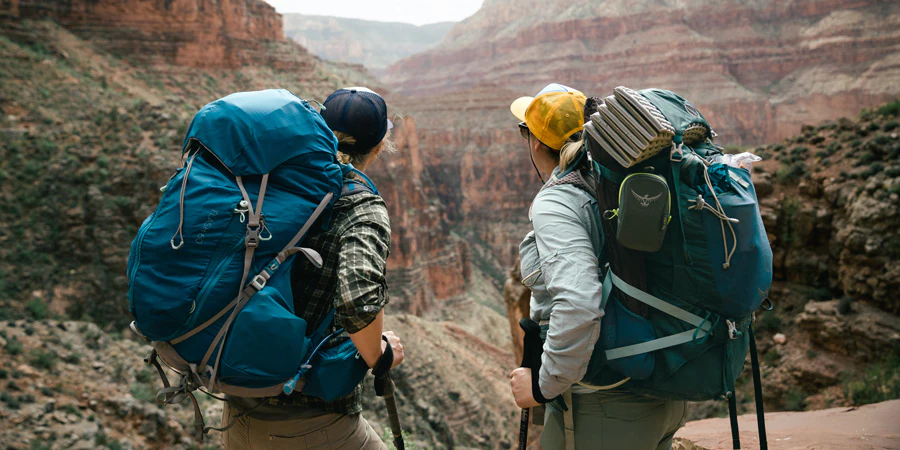
Look for adjustable torso lengths between 13-19 inches and hip belts that hug your curves without digging in. Capacities of 40-65 liters work for most multi-day trips. I swear by the Osprey Aura AG 65 for its suspended mesh back panel that keeps sweat at bay during humid hikes. Test packs in-store with weight inside, and adjust straps while walking around—comfort is non-negotiable when you’re carrying it for miles.
| Backpack Model | Capacity | Weight (lbs) | Key Women-Specific Features | Best For | Price Range |
|---|---|---|---|---|---|
| Osprey Aura AG 65 | 65L | ~4.5 | Adjustable torso, ergonomic hip belt, ventilated back | Multi-day comfort | $350-380 |
| Gregory Maven 58 | 58L | ~3.8 | Shorter torso options, plush shoulder straps | Lightweight adventurers | $280-320 |
| Osprey Eja 58 | 58L | ~2.9 | Ultralight frame, women’s fit | Thru-hike minimalists | $260-290 |
Sleeping Systems Built for Women
Women typically sleep colder, so choose bags with comfort ratings (not just limit ratings) around 20-30°F for three-season use. Opt for mummy or semi-rectangular shapes with extra insulation in the torso. My first cheap unisex bag left me shivering until I upgraded to a women’s model with a wider hip area—it changed cold nights into cozy ones. Pair it with an insulating pad rated R-value 4+ to block ground chill.
Clothing and Footwear Essentials
Layer with moisture-wicking merino or synthetic base layers, quick-dry pants or shorts, and a reliable rain shell. Skip cotton—it stays wet and heavy. For footwear, break in trail runners or boots half a size larger to account for swelling. I once hiked in ill-fitting boots and paid with blisters for days; now I test everything on training hikes. Don’t forget a warm hat and gloves—even in summer, nights drop fast.
Packing Smart: Lighten Your Load Without Sacrificing Comfort
The golden rule? Your pack should weigh no more than 20% of your body weight once fully loaded with food and water. Start with a gear list and ruthlessly cut extras—do you really need three shirts for a three-day trip? I learned this the hard way on a 20-mile trek where every ounce felt like ten by mile 10. Focus on multi-use items like a bandana that doubles as a pee rag or pot scrubber.
Pros and Cons of Ultralight vs. Traditional Packing
- Ultralight: Pros—easier on knees and back, faster miles; Cons—less margin for error if weather turns or gear fails.
- Traditional: Pros—more comfort items like a camp chair or extra snacks; Cons—heavier load that tires you quicker.
I lean ultralight now but always keep a few comfort luxuries, like my favorite dehydrated coffee packets, because small joys matter on the trail.
What to Pack: A Streamlined Women’s Checklist
- Shelter and sleep: Tent, sleeping bag, pad
- Navigation: Map, compass, charged phone with offline maps
- Hydration: Filter or tablets, 2-3 liters capacity
- Clothing: 1-2 base layers, rain gear, sleep clothes
- Hygiene: See dedicated section below
- Food: 1.5-2 lbs per day, high-calorie snacks
- Safety: Headlamp, first aid, whistle, bear spray where applicable
Leave behind: Full-size toiletries, extra books, or “just in case” items you won’t actually use.
Safety First: Solo Backpacking Tips for Women
Safety isn’t about fear—it’s about smart preparation that lets you focus on the freedom of the trail. I’ve hiked solo across multiple countries and never once felt truly unsafe when I followed these habits. Share your route, carry communication tools, and trust your gut. Most trail interactions are positive, but preparation turns potential worries into confidence boosters.
Sharing Your Itinerary the Right Way
Tell at least two trusted people your exact route, expected return time, and emergency contacts. Use apps like Gaia GPS to share live tracks if possible. On my first solo overnighter, I left a printed itinerary on my car dashboard and texted a friend photos of my campsite—peace of mind is everything. Check in via satellite messenger if you’re off-grid.
Must-Have Safety Gear for Women
A personal locator beacon or satellite communicator like the Garmin inReach Mini is worth every penny for remote areas. Carry bear spray in bear country (it works on people too) and a loud whistle. I keep pepper spray accessible on my hip strap after one sketchy encounter with an overly curious dog walker near a trailhead—it never hurts to be ready.
Handling Encounters and Trusting Your Instincts
If someone makes you uneasy, be vague about your plans and hike toward busier areas. Camp away from trails and roads. I once politely declined a stranger’s offer to “help” set up camp by saying my group was just behind me—fiction that bought me space. Your intuition is your best defense; if it says leave, listen.
Hygiene and Health: Staying Fresh and Healthy on the Trail
Backcountry hygiene doesn’t mean spotless—it means smart habits that prevent issues like UTIs or chafing. Women face unique challenges, but with the right tools, you’ll feel human even after days without showers. I used to dread this part until I dialed in a system that keeps me comfortable and respects the environment.
Managing Your Period in the Backcountry
Menstrual cups or period underwear are game-changers—lightweight, reusable, and low-waste. Pack them in a dedicated “go kit” with waste bags. I once used a cup on a five-day trip and never looked back; just empty it into a cathole and rinse discreetly. Carry pain relievers and a hot water bottle for cramps—small comforts prevent big problems.
Peeing and Pooping Without the Drama
A pee funnel or Kula Cloth reusable rag lets you stay dry and discreet. For pooping, dig catholes 6-8 inches deep, pack out toilet paper, and always wipe front to back. Bidet attachments on water bottles make cleanup easier and more eco-friendly. My first time using a pee rag felt awkward, but now it’s second nature—and way better than soggy TP.
Staying Clean and Preventing Chafing
Use biodegradable wipes or a quick-dry towel for daily spot cleans. Merino underwear wicks sweat and resists odor. Apply anti-chafe balm to hotspots before they start. Braids or a buff keep hair manageable, and dry shampoo handles grease. I rinse in streams when safe and always pack out everything—feeling fresh boosts morale more than you’d think.
Nutrition, Hydration, and Recovery on Long Trips
Aim for 1.5-2 pounds of food daily with a mix of carbs, fats, and proteins to fuel endurance. Drink at least a gallon of water, filtering at every source. Electrolytes prevent cramps, especially for women who may lose more through sweat. I pack extra dark chocolate for emotional pick-me-ups after tough days—it’s lightweight therapy.
Navigation Skills Every Woman Should Master
Download maps, carry a physical backup, and practice using a compass. Know your limits and turn around if needed. GPS apps are great, but batteries die—master the basics first. My navigation mishap on a foggy ridgeline taught me to always double-check junctions.
Common Challenges and How Women Overcome Them
From blisters to wildlife worries, every trip has hurdles. The key is preparation plus flexibility. Women often excel here because we adapt and support each other. I’ve turned rained-out plans into cozy hammock reads more times than I can count.
Top Destinations for Female Backpackers
Try the John Muir Trail sections, Grand Canyon rim-to-rim (with permits), or European Alps hut-to-hut routes. Closer to home, the Appalachian Trail’s milder stretches offer community and support. Research women-friendly groups or guided options if solo feels daunting at first.
People Also Ask: Backpacking Tips for Women
Is backpacking alone safe for women?
Yes, with preparation. Share plans, carry a satellite device, trust instincts, and start on popular trails. Statistics show trail violence is rare, but smart habits make it even safer.
How do you handle your period while backpacking?
Use a menstrual cup, pack out waste, and stay hydrated. Bring pain relief and extra underwear for comfort.
What gear do women specifically need for backpacking?
Women’s-fit packs, warmer sleeping bags, pee funnels or rags, and quick-dry layers top the list.
How do you pee while backpacking as a woman?
Pee funnels, Kula Cloths, or discreet squatting with a bandana work great—practice at home first.
What’s the best backpack for women?
Osprey Aura or Gregory Maven models offer excellent fit and comfort for most body types.
FAQ: Your Most Common Backpacking Questions Answered
Q: How much should my pack weigh as a woman?
Keep it under 20-25% of your body weight fully loaded. Start lighter and build up.
Q: Do I need special training before my first trip?
Yes—practice with day hikes and shakedowns. A wilderness first aid course is gold.
Q: What if I get my period unexpectedly?
Pack a small emergency kit with cup, wipes, and pain meds. It happens to everyone.
Q: Can plus-size women backpack comfortably?
Absolutely—seek plus-fit gear and focus on gradual training. Many women do it successfully.
Q: How do I find backpacking buddies as a woman?
Join female-focused Facebook groups, REI classes, or apps like Meetup for safe connections.
Backpacking as a woman has taught me that the trail doesn’t care about gender—it rewards preparation, curiosity, and a willingness to embrace discomfort. You’ll come home stronger, with stories that light you up inside. Start small, stay consistent, and soon you’ll be the one sharing tips with new hikers. Lace up those boots, trust yourself, and get out there. The mountains (or forests, or deserts) are waiting—and they look even better when you’re carrying the right mindset along with your pack. Happy trails!