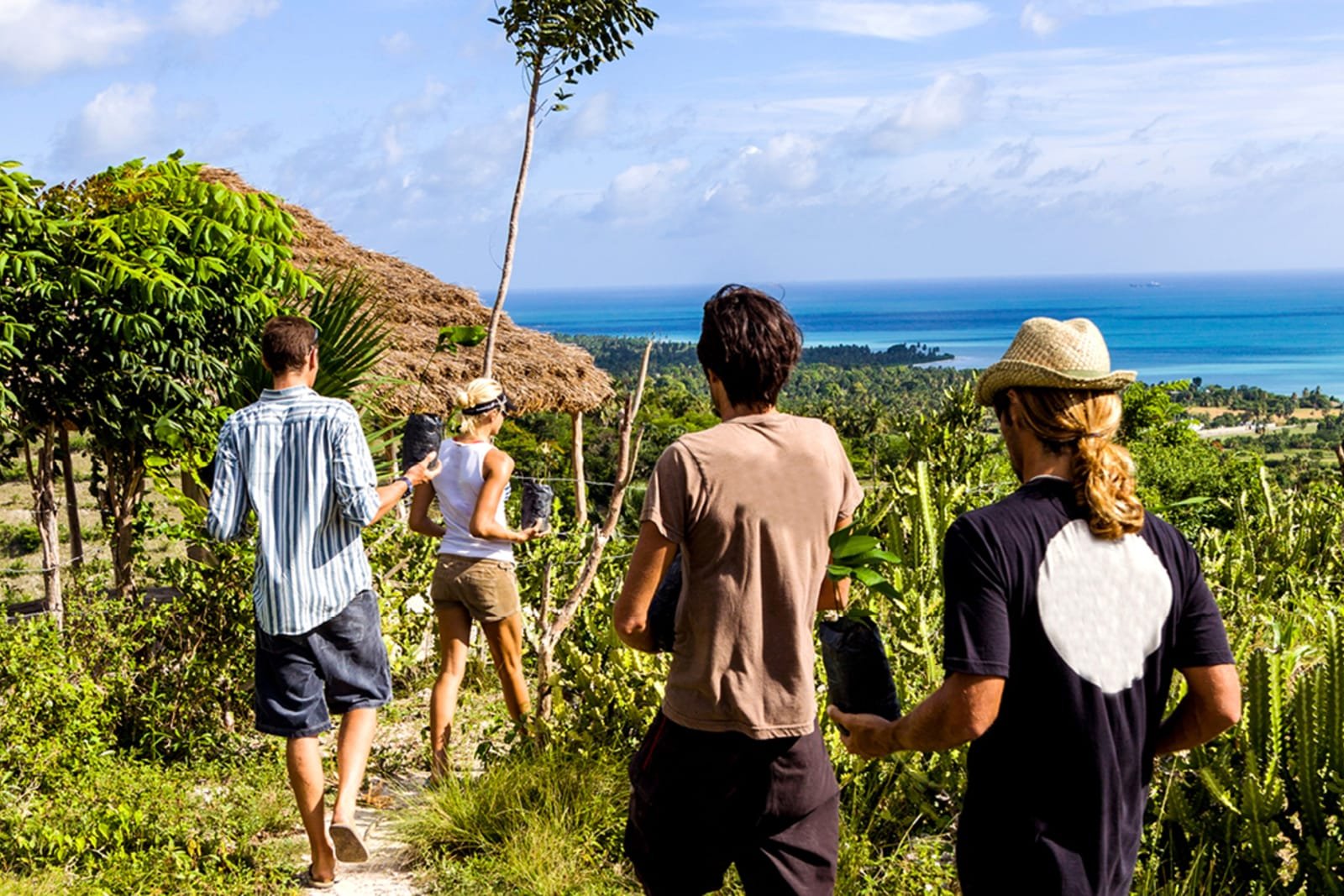
I still remember the moment a baby sea turtle scrambled across the sand in Costa Rica and disappeared into the waves. I was covered in sand, sweat, and something that smelled suspiciously like turtle eggs, but I had never felt more alive. That trip wasn’t just a vacation—it was my first real taste of volunteer tourism, or voluntourism as most people call it. If you’re craving travel with purpose but don’t want to waste time or money on the wrong project, you’re in the right place. This guide cuts through the hype, shares what actually works in 2026, and points you toward the most meaningful, ethical opportunities on every continent.
What Is Volunteer Tourism?
Volunteer tourism blends travel with hands-on service, letting you explore a new country while giving back through short- or medium-term projects. Unlike traditional volunteering that might last months or years, voluntourism packages usually run from one to twelve weeks and include accommodation, meals, and often some sightseeing. It’s grown into a billion-dollar industry because it appeals to gap-year students, career break adults, families, and retirees who want their passport stamps to mean something. The best programs match your skills to real local needs instead of treating communities like photo ops.
Why Volunteer Tourism Appeals to So Many Travelers
The pull is simple: you get the adventure of new food, landscapes, and friends plus the deep satisfaction of knowing your time made a difference. I’ve watched burnt-out corporate types light up after teaching English in a Nepali village and families bond tighter while building a school in Peru. Done right, it builds empathy, skills, and lifelong connections that no all-inclusive resort can match. Plus, many programs now let you add safaris, diving, or trekking without guilt.
The Real Downsides and Ethical Red Flags
Not every “volunteer vacation” is created equal. Some programs create dependency, displace local jobs, or worse—turn vulnerable children into tourist attractions. Orphanage visits, for example, can do real harm by encouraging family separation for profit. Short unskilled labor sometimes feels good in the moment but leaves communities with half-finished projects. The key is choosing organizations that are locally led, transparent about impact, and honest about what volunteers actually contribute.
How to Spot Truly Ethical Volunteer Programs
Look for nonprofits or platforms that work directly with local leaders, publish annual impact reports, and require proper vetting and training. Reputable ones like IVHQ, GoEco, Projects Abroad, and Volunteer World emphasize sustainability over selfies. Ask hard questions: Who benefits long-term? Are locals paid for the same work? Does the project address a genuine need identified by the community? If the answer is fuzzy, keep looking.
Questions to Ask Before You Book
- Does the organization share measurable results from past volunteers?
- Is the project locally owned and run year-round?
- Will your tasks match your skills or at least include training?
- What percentage of your fee actually reaches the community?
Pros and Cons of Volunteer Tourism
Pros
- Combines travel and purpose in one trip
- Builds real cultural understanding
- Develops new skills and confidence
- Often more affordable than pure tourism
- Creates stories you’ll tell for decades
Cons
- Risk of unintended harm if poorly designed
- High upfront costs for some programs
- Culture shock and physical demands
- Short stays limit deep impact
- Greenwashing by some operators
Best Volunteer Tourism Opportunities by Region
Africa: Wildlife and Community Projects That Stick
Africa delivers unforgettable wildlife work paired with community impact. In South Africa’s Kruger area you can track the Big Five while collecting data that helps rangers protect endangered species. Tanzania and Zanzibar offer turtle conservation and mangrove restoration. Ghana and Zambia focus on teaching, women’s empowerment, and elderly care. These programs feel raw and real because you live among the people and animals you’re helping.
Asia: Cultural Immersion and Eco-Projects
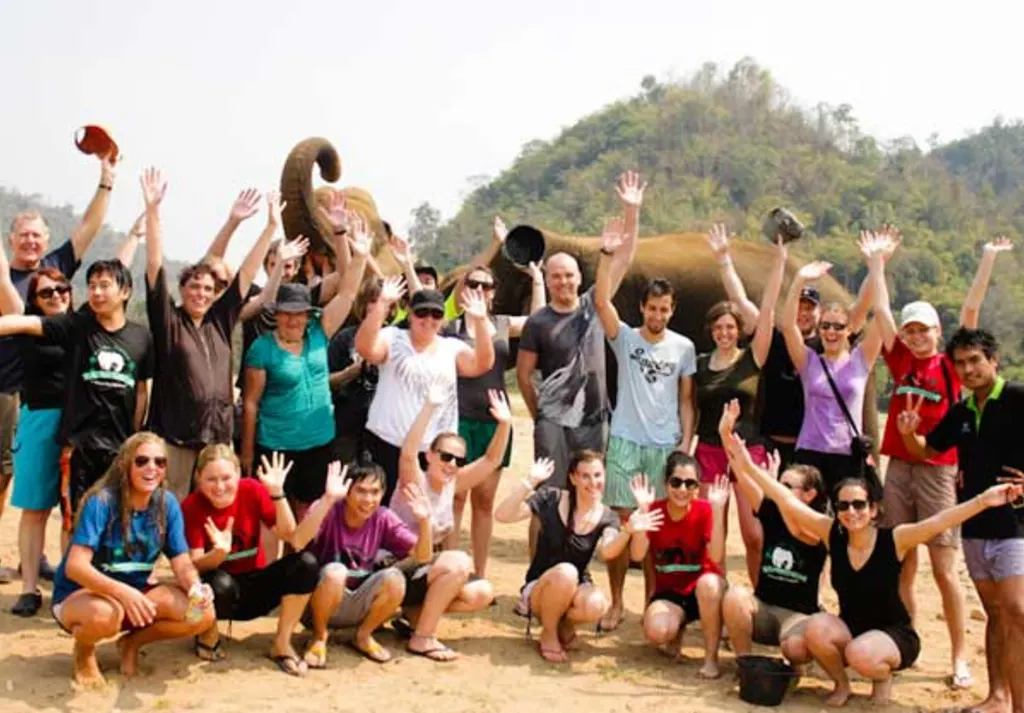
Thailand remains a favorite for ethical elephant sanctuaries and teaching English to monks. Nepal combines Himalayan treks with stray-dog rescue or organic farming. India, Sri Lanka, and Vietnam offer women’s empowerment classes, marine conservation, and homestays where you cook, teach, and learn side by side with locals. The warmth of the people turns every day into a lesson in humility and joy.
Latin America: Rainforests, Turtles, and Community Building
Costa Rica shines for sea-turtle patrols and rainforest reforestation—pair it with surfing and you’ve got the perfect balance. Peru’s Amazon lets you track biodiversity while supporting Indigenous communities. Ecuador’s Galapagos and Guatemala’s highlands deliver conservation and cultural immersion that feel like National Geographic come to life. Many programs include Spanish lessons so you actually connect.
Europe and North America: Closer-to-Home Options
If long-haul flights aren’t your thing, Europe offers farm stays in the Netherlands or restoration projects in Greece. In North America you can help with community gardens in Mexico or disaster recovery in the U.S. South. These shorter, lower-cost trips still deliver meaningful exchange without the jet lag.
Comparison of Top Volunteer Platforms in 2026
| Platform | Best For | Starting Cost (2 weeks) | Destinations | Ethical Score (Community Feedback) | Unique Perk |
|---|---|---|---|---|---|
| IVHQ | First-timers & flexibility | $645+ | 48 countries | Excellent | Zero-risk booking, 24/7 support |
| GoEco | Wildlife & eco projects | $500+ | 40+ | Very High | Affordable daily rates |
| Projects Abroad | Structured skill-building | $1,500+ | 30+ | High | Professional placements |
| Worldpackers | Budget travelers | Free (membership ~$49/yr) | 170+ | High | Work-exchange model |
| Volunteer World | Comparison shopping | Varies | Global | High | Quality-checked listings |
Costs cover accommodation and often meals; flights and visas are extra. Always check current fees directly.
Real Stories From the Road
Last year my friend Priya from Lahore spent two weeks in Sri Lanka teaching English and helping at an elephant rescue. She came home with recipes, lifelong pen pals, and a tattoo of a lotus she drew with the kids. Another traveler I know, a 55-year-old teacher from the UK, joined a marine project in the Seychelles and now fundraises for coral restoration back home. These aren’t Instagram moments—they’re quiet transformations that change how you see the world.
How to Get Started With Volunteer Tourism
- Define your why—adventure, skills, or impact?
- Choose a cause that excites you (animals, kids, environment, teaching).
- Research platforms and read recent volunteer reviews on GoOverseas or Reddit.
- Apply early—popular programs fill months ahead.
- Prepare practically: vaccinations, travel insurance, basic language apps.
- Pack light and leave space for souvenirs and new perspectives.
Understanding the Costs in 2026
Expect to pay $250–$2,000 for a two-week program, depending on location and inclusions. Africa and Asia often start cheaper ($20–$40/day), while premium wildlife spots or Galapagos run higher. Worldpackers and HelpStay cut costs dramatically by trading 4–5 hours of work for free room and board. Factor in flights ($500–$1,500 round-trip from most places), visas, and pocket money. Many organizations now offer payment plans and scholarships.
People Also Ask About Volunteer Tourism
What is the difference between volunteering and voluntourism?
Volunteering is usually longer-term and locally driven; voluntourism packages the experience for travelers with built-in tourism time. Both can be ethical if the focus stays on sustainable community benefit.
Is volunteer tourism actually helpful?
When chosen carefully, yes—it funds local projects, builds cross-cultural bridges, and raises awareness. Poorly run programs can create dependency or harm, so research is everything.
How much does a volunteer trip really cost?
Two weeks typically runs $800–$3,000 all-in including program fee, flights, and extras. Budget options and work-exchange models bring it under $500 for the right traveler.
Are there age limits for volunteer tourism?
Most programs welcome 18+ but many accept teens with parental consent and seniors with good health. Family and 50+ options are growing fast.
Can I volunteer abroad without experience?
Absolutely. The best programs train you on-site and match tasks to your energy and willingness to learn. Enthusiasm often matters more than prior skills.
FAQ: Your Top Questions Answered
How long should my first volunteer trip be?
Start with two to four weeks. It’s long enough to settle in and contribute but short enough to avoid burnout.
Do I need special skills?
Not usually. Many projects need willing hands for painting, teaching games, or data collection. Specialized programs (medical, construction) may ask for qualifications.
What about safety as a solo female traveler?
Reputable organizations provide 24/7 local support, vetted housing, and group activities. Costa Rica, Thailand, and South Africa consistently rank high for safety and community warmth.
Will my contribution actually matter?
Choose programs with documented, ongoing impact. You’ll see it in the smiles, the completed classrooms, or the protected nesting sites—not in likes on social media.
Can I combine volunteering with a regular vacation?
Yes! Many operators let you extend your stay for pure travel or add adventure packages seamlessly.
Volunteer tourism done right can be one of the most rewarding ways to see the world. It pushes you out of your comfort zone, connects you to incredible humans and animals, and leaves both you and the place a little better. Whether you’re drawn to baby turtles in Costa Rica, elephants in Thailand, or teaching kids in Nepal, the opportunities in 2026 are richer and more ethical than ever. Pick a program that matches your values, do your homework, and go. The world—and a few grateful sea turtles—are waiting. Safe travels and meaningful adventures ahead.